

Queen Gymnast Alina Nekrasova Inspires at Hopes Juniors National Camp 2026

A national camp can change the way an athlete sees the sport. It can raise the standard in one practice, sharpen habits in one correction, and remind a gymnast why the long hours matter.
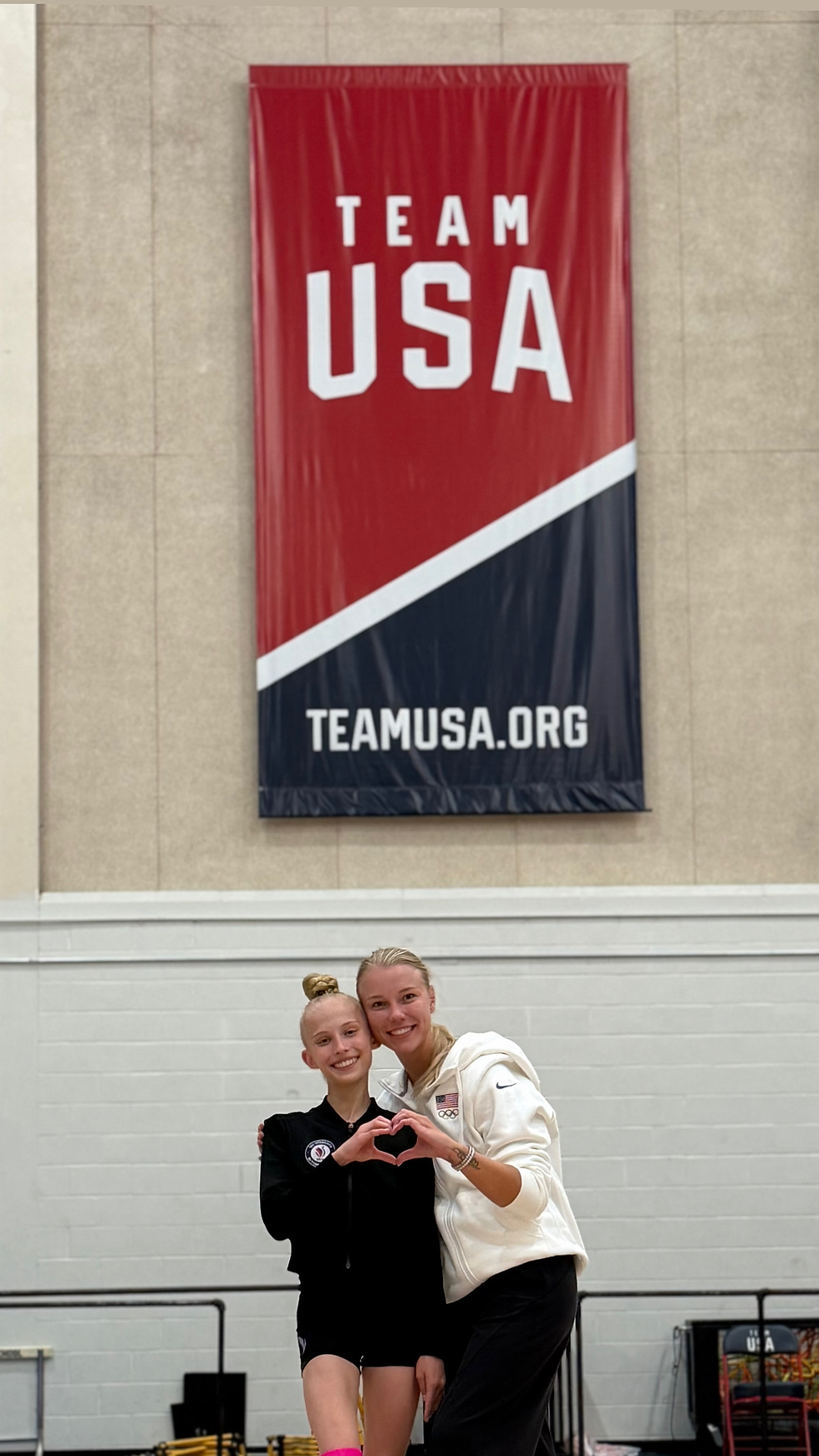
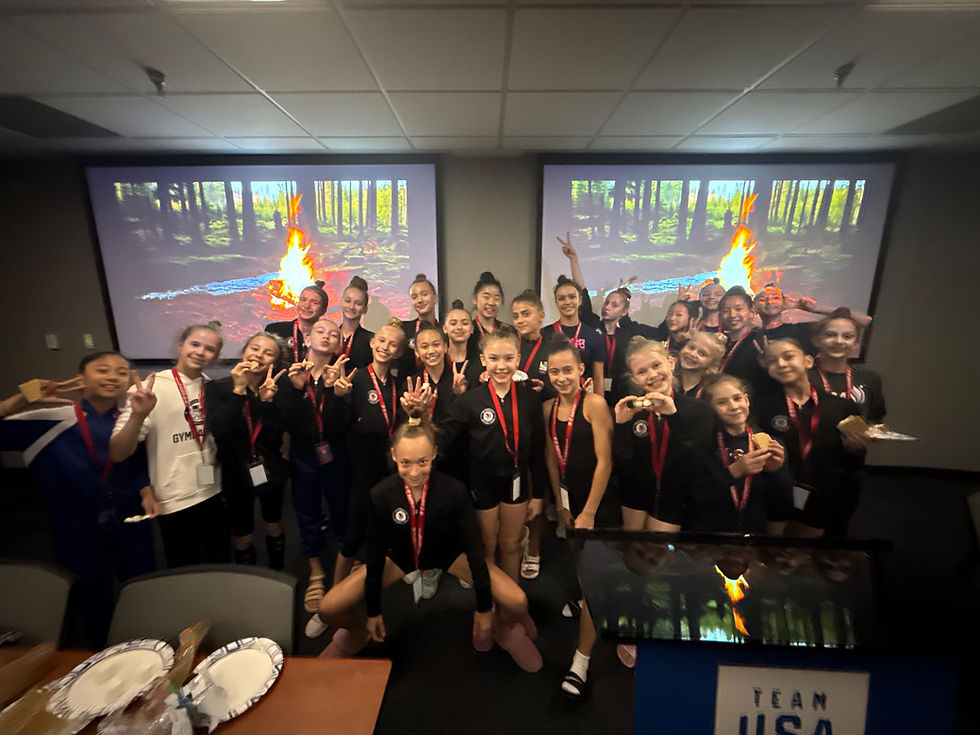
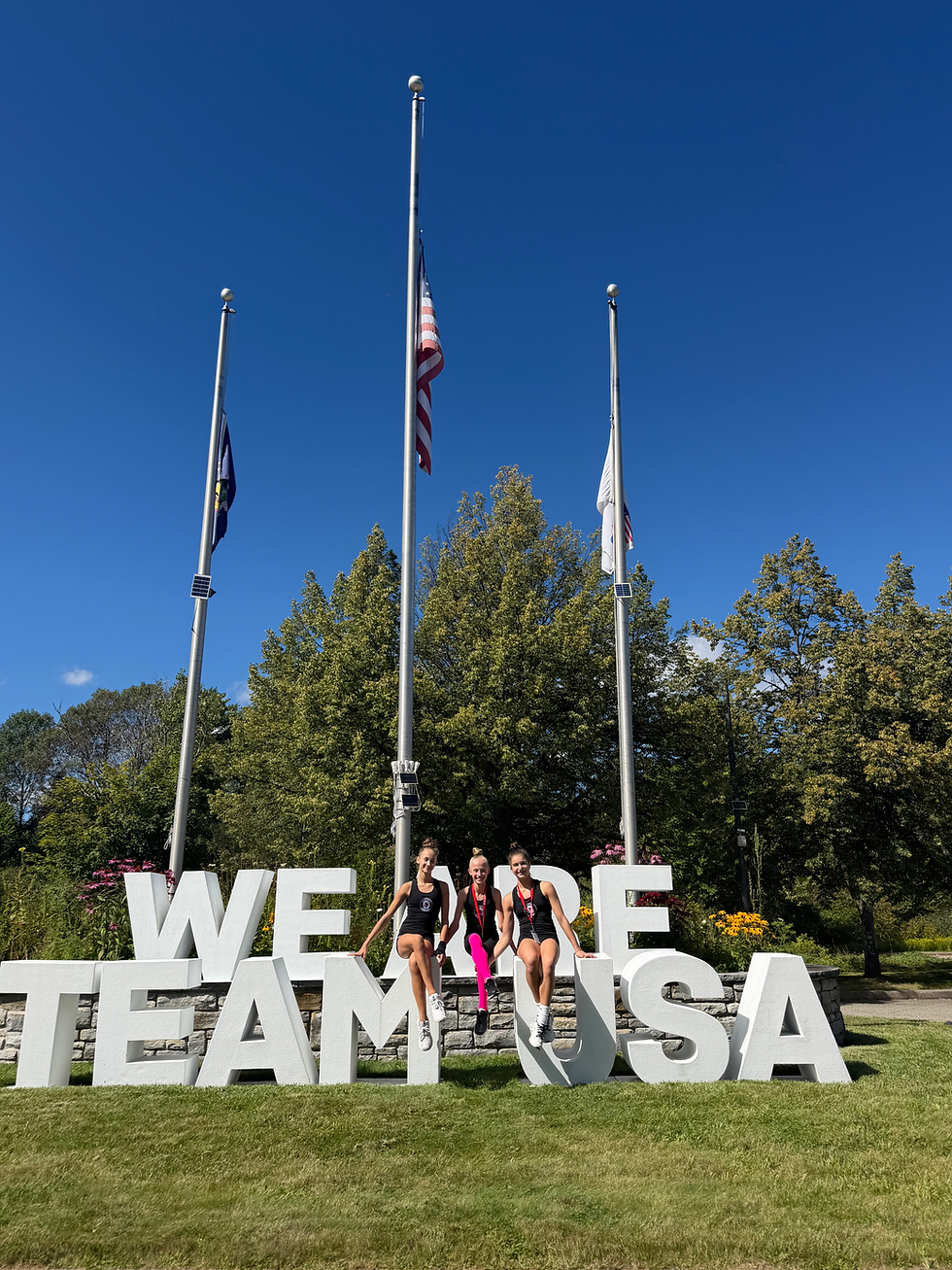
Last weekend, Queen Gymnast Alina Nekrasova and her coach, Anastasiia Kuznietsova, joined the Hopes/Juniors National Camp 2026 at the Olympic Training Center in Lake Placid, NY. The camp brought together strong rhythmic gymnastics athletes and coaches from across the country for three days of focused training, learning, and connection.
Organized by the USA Gymnastics Rhythmic Program, the camp exists to support and develop qualified athletes nationwide. For gymnasts in the Hopes and Junior levels, that kind of environment is more than a special trip. It is a chance to train next to peers with similar goals, receive feedback from respected specialists, and better understand what it takes to grow within the national rhythmic program.
For Alina, the weekend offered something rare: the opportunity to practice in the same space as Olympians, physical therapy professionals, national team coaches, and dedicated athletes from across the United States. For Coach Anastasiia, it was also a valuable chance to exchange knowledge, bring new ideas back to daily training, and continue guiding Alina’s development with a wider view of the sport.

Why Hopes and Juniors National Camp matters
Rhythmic gymnastics is a sport of details. A small change in posture can improve a balance. A cleaner release can change the quality of a toss. A stronger landing can help a gymnast finish a routine with control instead of survival.
That is why a camp like Hopes/Juniors National Camp 2026 matters so much.
The camp gives athletes access to a higher training standard in a short, intense format. Over three days, gymnasts experience a mix of technical work, physical preparation, apparatus practice, body difficulty training, and education from specialists. Each session adds another layer.
For a developing gymnast, this kind of experience is powerful because it shows what high-level training feels like when everyone in the room is committed. The pace is serious. The corrections are specific. The atmosphere asks each athlete to pay attention, adjust quickly, and bring full effort to every repetition.
The value also reaches coaches. When coaches attend national camp, they see how different athletes respond to pressure, how specialists explain key concepts, and how national-level expectations are communicated. That information can shape months of training after the camp ends.
For Queen Gymnast, having Alina and Coach Anastasiia at camp reflects a strong commitment to long-term development. It shows that progress does not happen only during competition season. It is built in practice rooms, in training camps, and in the quiet moments when athletes choose to apply one more correction.
Alina Nekrasova steps into a national training environment
Alina’s participation at Lake Placid placed her among athletes who are working toward some of the same goals. That matters because national camp creates a different kind of motivation.
At home, an athlete may be the most advanced gymnast in the room. At camp, the gymnast sees a broader picture. There are others with clean pivots, expressive arms, fast apparatus work, strong flexibility, and excellent stamina. That setting can be challenging, but it is also inspiring.
For Alina, the experience offered a clear message: there is always another level to reach.
Training beside other talented gymnasts helps an athlete measure progress in a healthy way. It does not have to be about comparison. It can be about observation. A gymnast can notice how another athlete prepares before a turn, how someone controls nerves during a difficult combination, or how quickly a correction is applied.
Those small lessons matter.
A national camp also asks athletes to bring maturity. They must listen closely, manage their energy, recover between sessions, and stay focused even when tired. That is part of the growth process. Rhythmic gymnastics requires beauty and expression, but behind that beauty is discipline.
Alina’s weekend at camp was not only about learning new skills. It was about strengthening the habits that support consistent progress:
Listening with full attention
Applying corrections quickly
Respecting the training process
Staying composed in a high-level environment
Learning from every coach and specialist in the room
For a young gymnast, those habits can become as important as the routines themselves.

Learning from Olympians, specialists, and national team coaches
One of the most memorable parts of the camp was the access to highly experienced professionals. Alina had the opportunity to practice with Olympians, physical therapy professionals, and national team coaches. Each group brings a different kind of knowledge.
Olympians understand the full demands of elite sport. They know the pressure of competition, the discipline required in daily training, and the mental strength needed to keep improving. Their presence can make excellence feel real. For a young athlete, seeing someone who has reached that level can turn a distant dream into a more concrete goal.
National team coaches bring technical precision. They know what judges look for, what separates a promising routine from a polished one, and how body technique and apparatus handling must work together. Their corrections often focus on the details that help a gymnast become more complete.
Physical therapy professionals add another key piece. Rhythmic gymnastics asks a lot from the body. Flexibility, strength, balance, speed, and repetition all play a role. Learning how to prepare the body, protect it, and recover well can help athletes train more safely and more consistently.
For developing gymnasts, this education is essential. Talent opens the door, but smart training keeps an athlete moving forward.
The three-day format also adds intensity. A gymnast receives information quickly, then has to turn it into action. That can be hard, but it teaches an important lesson: growth often starts when an athlete is asked to focus more deeply than usual.
For Alina, those sessions likely gave her new technical goals and a stronger sense of what national-level preparation looks like. For Coach Anastasiia, the camp offered insight into how to continue building Alina’s training plan with care, ambition, and precision.
Coach Anastasiia Kuznietsova brings the experience back home
A gymnast’s growth is never a solo story. Behind every strong athlete is a coach who plans, corrects, encourages, and keeps the long view in mind.
Coach Anastasiia Kuznietsova’s role at camp was just as meaningful as Alina’s. While the athlete trained, the coach observed. While specialists gave corrections, the coach listened for patterns. While camp sessions moved quickly, the coach gathered ideas that could be brought back into everyday practice.
This is one of the biggest benefits of a national camp. The learning continues long after the athlete leaves Lake Placid.
A coach can return home with a clearer sense of what to reinforce, what to adjust, and how to support the gymnast’s next phase of development. Sometimes that means changing the way a warm-up is structured. Sometimes it means spending more time on strength, recovery, or apparatus basics. Sometimes it means using new language to explain an old correction in a way that finally clicks.
For Alina and Anastasiia, the camp was a shared experience. That matters because athlete and coach now carry the same reference point. They can look back on a correction from a national team coach, a drill from a specialist, or a moment of inspiration from an Olympian and use it as fuel in future practices.
The best camp experiences do not end with a certificate or a photo. They show up later, in cleaner routines, stronger focus, and better daily habits.

The Olympic Training Center setting adds purpose
Lake Placid has a special place in American sports history. Training at the Olympic Training Center gives athletes a sense of purpose that is hard to recreate in a regular gym.
For young gymnasts, the setting itself can be motivating. Walking into a national training environment sends a clear message: the work matters. The details matter. Preparation matters.
That atmosphere can help athletes connect daily training with bigger goals. Morning warm-ups, conditioning, flexibility, ballet, apparatus control, and routine sections all feel connected to a larger path. The environment reminds gymnasts that every advanced athlete once had to learn the basics, repeat corrections, and build confidence step by step.
National camps also build community. Athletes meet others who understand the demands of the sport. Coaches connect with colleagues who face similar challenges. Those relationships strengthen the rhythmic gymnastics community across the country.
This is especially important in a technical and demanding discipline like rhythmic gymnastics. Clubs may train in different states, with different schedules and resources, but camps create a shared standard. Athletes and coaches return home with a better understanding of where the sport is heading and how they can keep growing within it.
For Queen Gymnast, Alina’s participation is a proud moment. It reflects the work being done in the gym every day and the desire to keep reaching for higher standards.
What Alina’s camp experience means for the season ahead
A weekend like this can shape an athlete’s mindset for weeks and months.
Alina returned from the Hopes/Juniors National Camp 2026 with more than memories. She gained exposure to national-level training, feedback from respected professionals, and the motivation that comes from being surrounded by ambitious athletes.
The next step is turning that experience into daily progress.
That may mean refining body difficulties, improving apparatus consistency, increasing stamina, or building stronger performance quality. It may also mean training with more confidence because the camp proved she belongs in challenging spaces.
For young athletes, confidence does not mean thinking everything is easy. Real confidence comes from knowing how to work through hard things. It grows when a gymnast receives a correction, tries again, and sees improvement. It grows when a long practice becomes productive, not just tiring.
Alina’s opportunity at Lake Placid can become a foundation for that kind of confidence.
Coach Anastasiia’s guidance will play a key role. Together, athlete and coach can choose which lessons from camp need the most attention. They can set clear short-term goals and connect them to long-term development. The camp experience becomes most valuable when it is used, repeated, and refined.
Some of the strongest takeaways from a national camp are simple, but powerful:
Train with intention, not just repetition
Treat recovery as part of preparation
Stay open to correction
Learn from every athlete in the room
Keep raising the standard one practice at a time
These lessons fit far beyond one weekend.
A proud milestone for Queen Gymnast
Alina Nekrasova’s participation in Hopes/Juniors National Camp 2026 is a proud milestone for Queen Gymnast and a meaningful step in her athletic journey. It shows dedication from the athlete, thoughtful leadership from her coach, and strong support from a program committed to growth.
The three days in Lake Placid brought intensity, inspiration, and high-level education. Alina trained with purpose. Coach Anastasiia observed and learned alongside her. Together, they returned with valuable experience from one of the most respected training environments in the country.
Moments like this help shape the future of rhythmic gymnastics. They give young athletes a clearer view of what is possible and remind them that progress is built through consistent, focused work.
For Alina, the camp was an opportunity to learn from the best, practice with confidence, and carry new motivation back into the gym. For Queen Gymnast, it was a moment to celebrate, and a sign of more growth ahead.
Alina's journey to this camp was challenging and wouldn't have been possible without her personal coaches—Olena Dudnikova (Queen RG head coach) and Anastasiia Kuznietsova (Queen RG coach and program manager).


Comments